Pipe Dream
The promise of a grassroots funded skatepark offers hope to a small Pennsylvania town affected by the opioid epidemic and the industrial decline of the region. This is a story of perseverance, community and unexpected partnerships.



Quick Look
165,000+
Views Across Socials
4,000+
Unique Engagements
475+
Hours of Watch-Time
46,000+
YouTube Impressions
About The Client
Free Fall is a non-profit 501(c)(3) skatepark located in Quakertown, Pennsylvania. Their mission is to provide a positive environment where students can belong and develop their skills. They got their start in 2008, when local Pastor Dave Kratz approached the town to identify areas of need. He was directed to the local skatepark, being told of a growing group of “parentless and directionless teens.” Dave got involved with a group of volunteers to improve the atmosphere of the park. Over the next ten years, they raised over one million dollars to fund the creation of a brand new, world-class skate facility.
The Opportunity
Following a decade of fundraising efforts, Free Fall was preparing to open their new facility. The Board of Directors identified this as an ideal moment to share their story of success with the broader community. It was around this time that I began volunteering with the organization, creating videos of their ongoing events. This was particularly important to me because I grew up skating at the original Quakertown skatepark. In fact, skating there with my friends was the whole reason I picked up a camera in the first place.
Following the grand opening, I approached the park with the idea of highlighting their journey in a documentary film. We worked together to calculate a preliminary budget, create an overview deck and pitch the project to the Board of Directors. From there, we were funded!
Pre-Production
-
Once the project was officially underway, we worked with staff and other stakeholders to identify the overarching themes and narrative arc of the film. This better informed our decisions on what interviews to prioritize, what assets we should be looking for, and what staff we would need.
All of the production work was completed by members of the Free Fall community, including graphics and an original score. This reiterated the community centered narrative and highlighted the connection between action-sports and creativity.
-
The original Quakertown skatepark was torn down back in 2019 to make way for the new construction, three full years before our production began. So, one of our most crucial pre-production steps was locating and cataloguing all of the archival materials we could find. This included pulling from Free Fall’s drives, social media pages and conducting a community open-call for additional photos and videos.
All told, we processed over 40,000 photos and 300 hours of archival footage! This included licensing a number of local news segments, a 1965 documentary about Quakertown and even broadcast clips from the X-Games for one of the professional skateboarders we profiled.
Once compiled, the content was organized by year, event and subject. From there, we created a ‘Digital Archives’ for Free Fall to use for marketing and media requests.
-
Our primary goal was capturing the diverse, and unlikely, group of partners that came together to pull off this project. So, we started by identifying the key interviews we would like to highlight. From there, we reached out to those individuals to schedule pre-interviews. The purpose of this time was to build rapport, learn more of their story and discuss what to expect “on the day.” This time proved crucial in soliciting authentic responses during our interviews.
-
Filming took place from August 2023 to April 2024. During this six-month production period, we recorded over 20 interviews, multiple events and additional b-roll shoots throughout Quakertown. 15 freelancers were hired in total, primarily as production assistants. Many of these individuals were students actively enrolled in our media programs at Free Fall!
Part of our content strategy was creating and sharing behind-the-scenes content throughout our production. This was a great, low-lift way of providing updates to our audience during the lengthy production process along with consistently generating engagement.
-
Once we captured our footage and organized our archival materials, we spent time with the Free Fall Board of Directors to refine and finalize the narrative arc of our film. This included an in-depth synopsis along with a post-production deck. The deck broke our story down by chapter and section, highlighting key interviews and referenced assets.
The goal in doing so was to provide absolute clarity to the Board before post-production began. This also made us more confident in the story we were telling.
-
We wanted to start building momentum for this project as soon as possible. So, throughout the production process we produced “teaser” segments to be shared on our socials as well as in-person screenings of teasers and trailers during our contests at the park
Production
Post-Production
-
As the rough cut of the film got underway, work began on the graphics packages for the film. This included custom titles, chapter cards and lower-thirds animations for our interview subjects.
A hand-made, grungy collage aesthetic was chosen to highlight the action-sports roots of the project. These animations proved crucial in tying the look of the film together and adding consistency to the many perspectives being shared. These assets were completed by Travis Coleman, a local skateboarder and Media Mentor at Free Fall!
-
A large majority of the film features an original score and music recorded by members of the Free Fall community, including the opening and closing montages.
Wesley Smith, a local musician and skater, wrote, recorded and produced the backing tracks for the project. Our goal was capturing an ethereal and reflective sound that would reinforce the emotional beats of the film without pulling focus from the story.
-
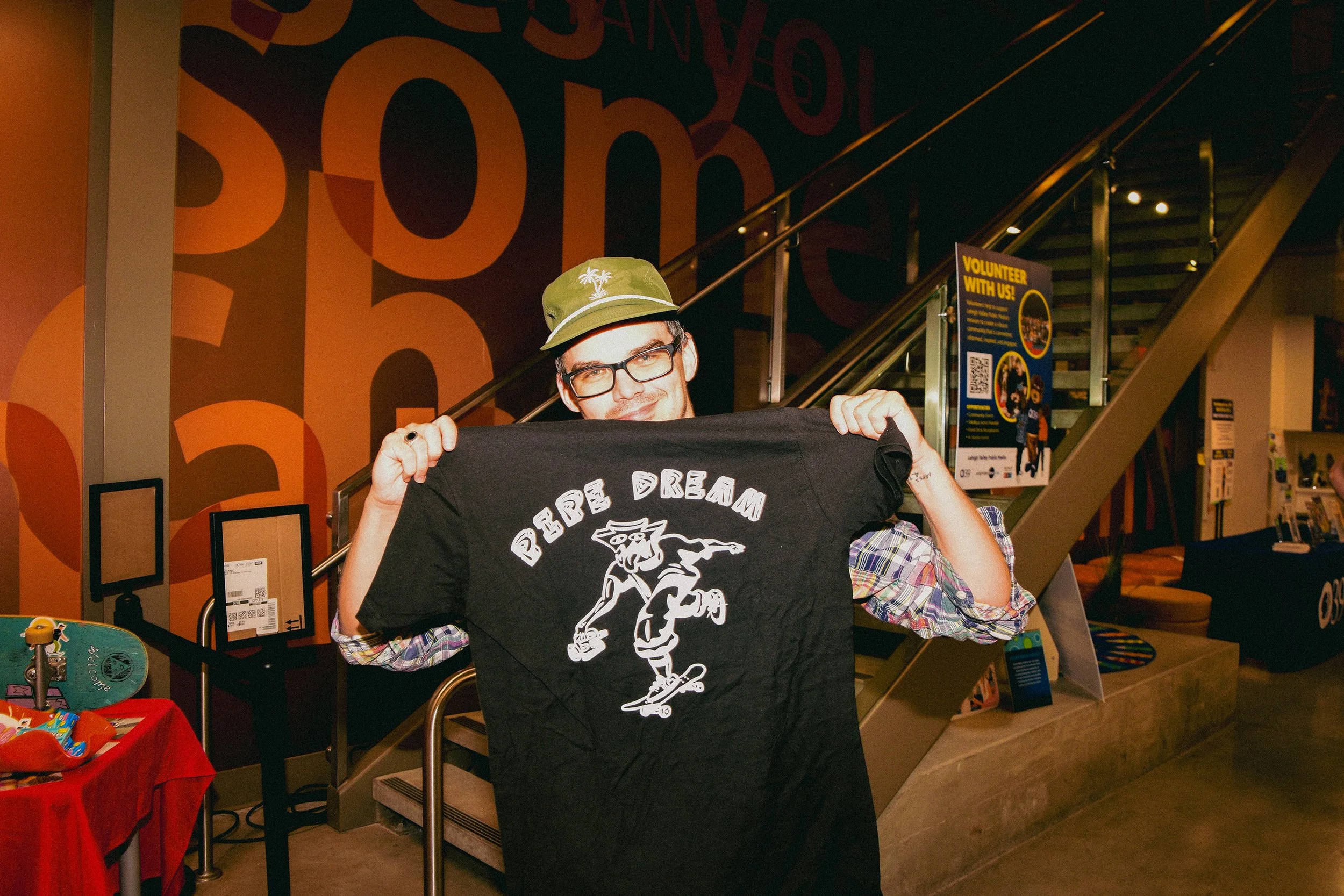
In addition to the online teasers and trailers, we created a line of physical merchandise to help promote the project. These items were distributed at both the park along with the premiere and film festival screenings.
Merchandise include movie posters, t-shirts, stickers and postcards. They were distributed for free around Quakertown to continue building awareness and excitement for the premiere.
Screening Tour
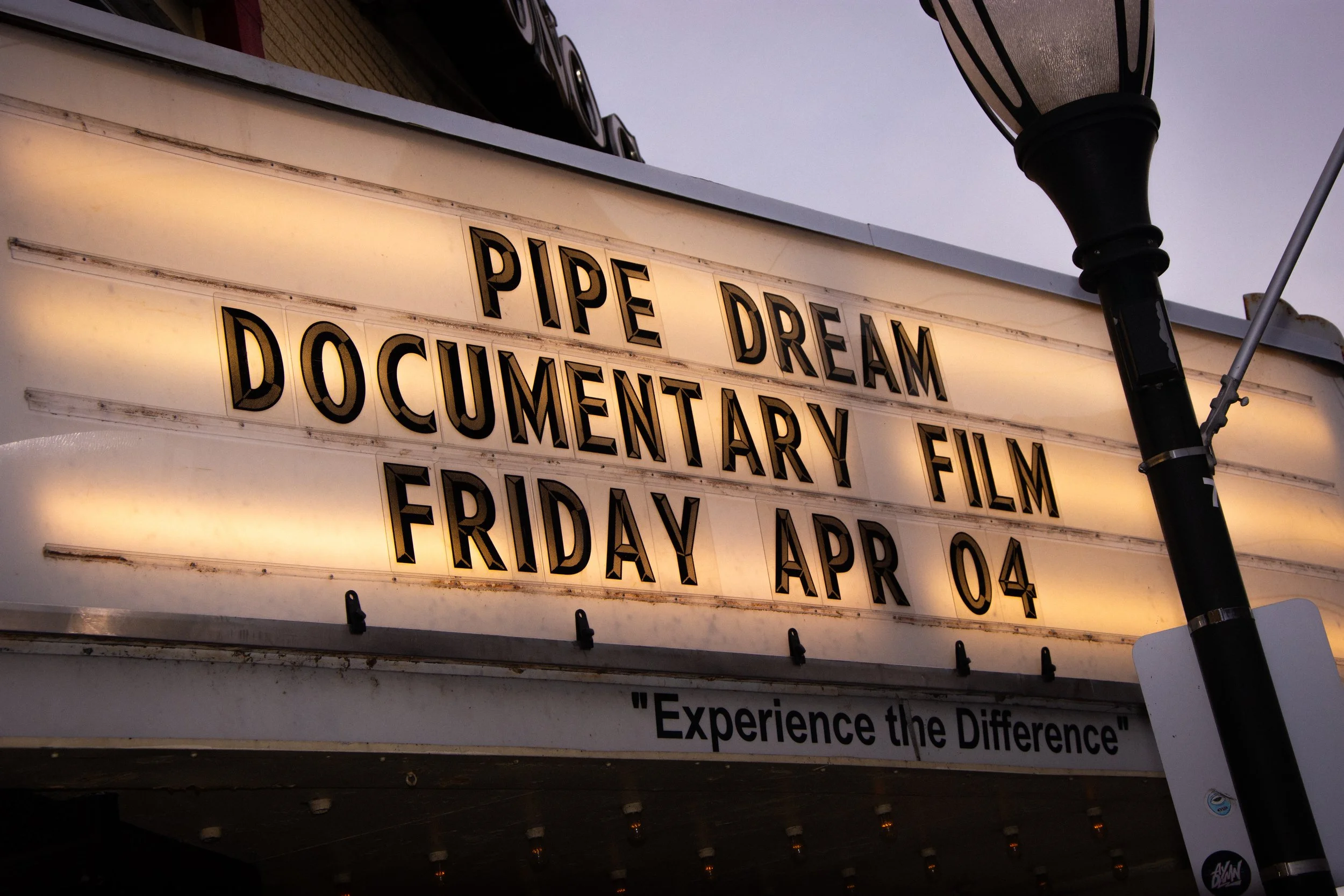
Pipe Dream premiered to a sold-out crowd in November of 2024! With over 250 in attendance, we were truly blown away by the outpouring of support. So, we decided to expand our screening schedule along with applying to a number of local film festivals!
Our screening tour began in April of 2025. We partnered with skate shops in neighboring towns, which acted as fundraisers for their own ongoing skatepark projects. This included Holy Stokes in Easton and Homebase in Bethlehem!
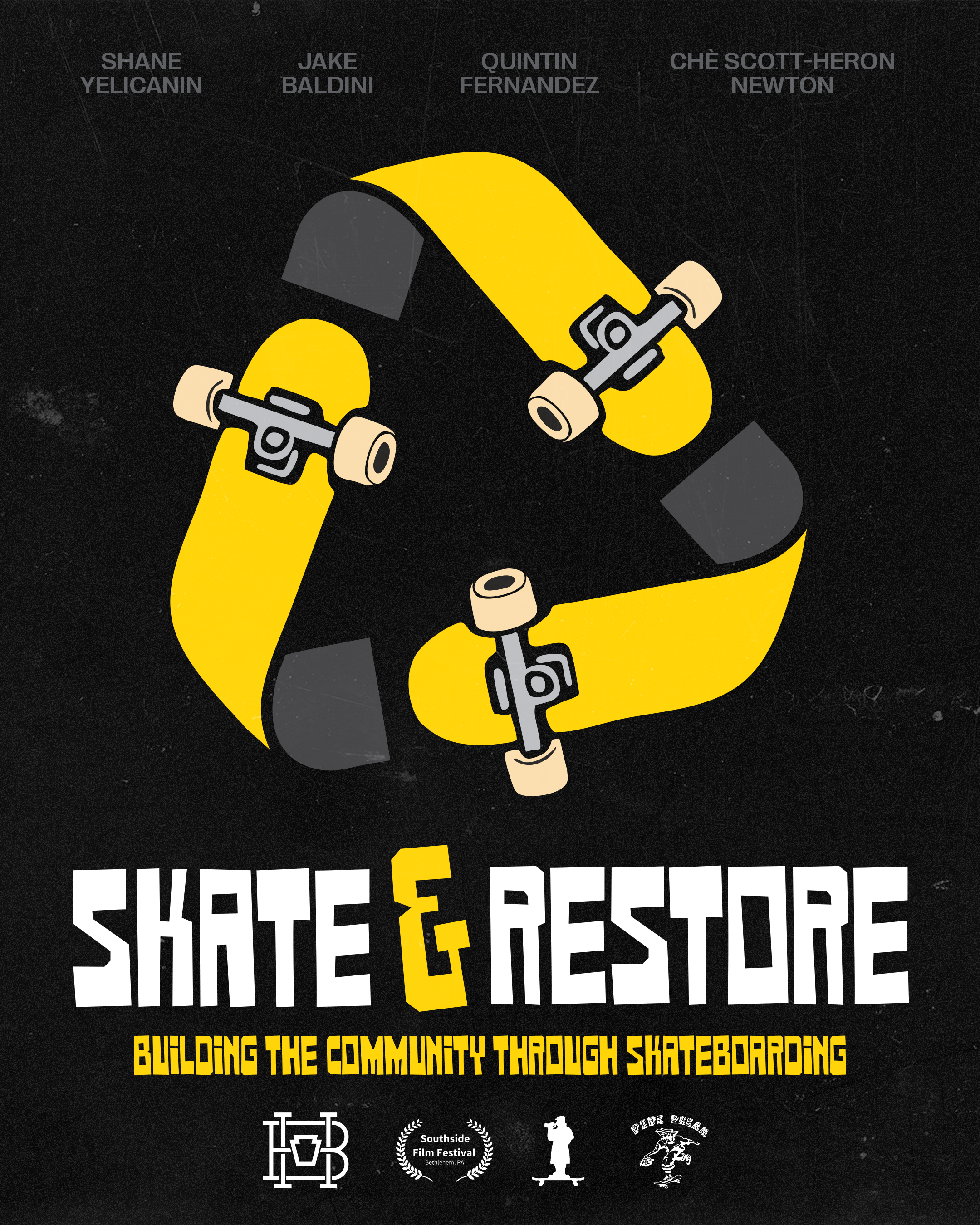
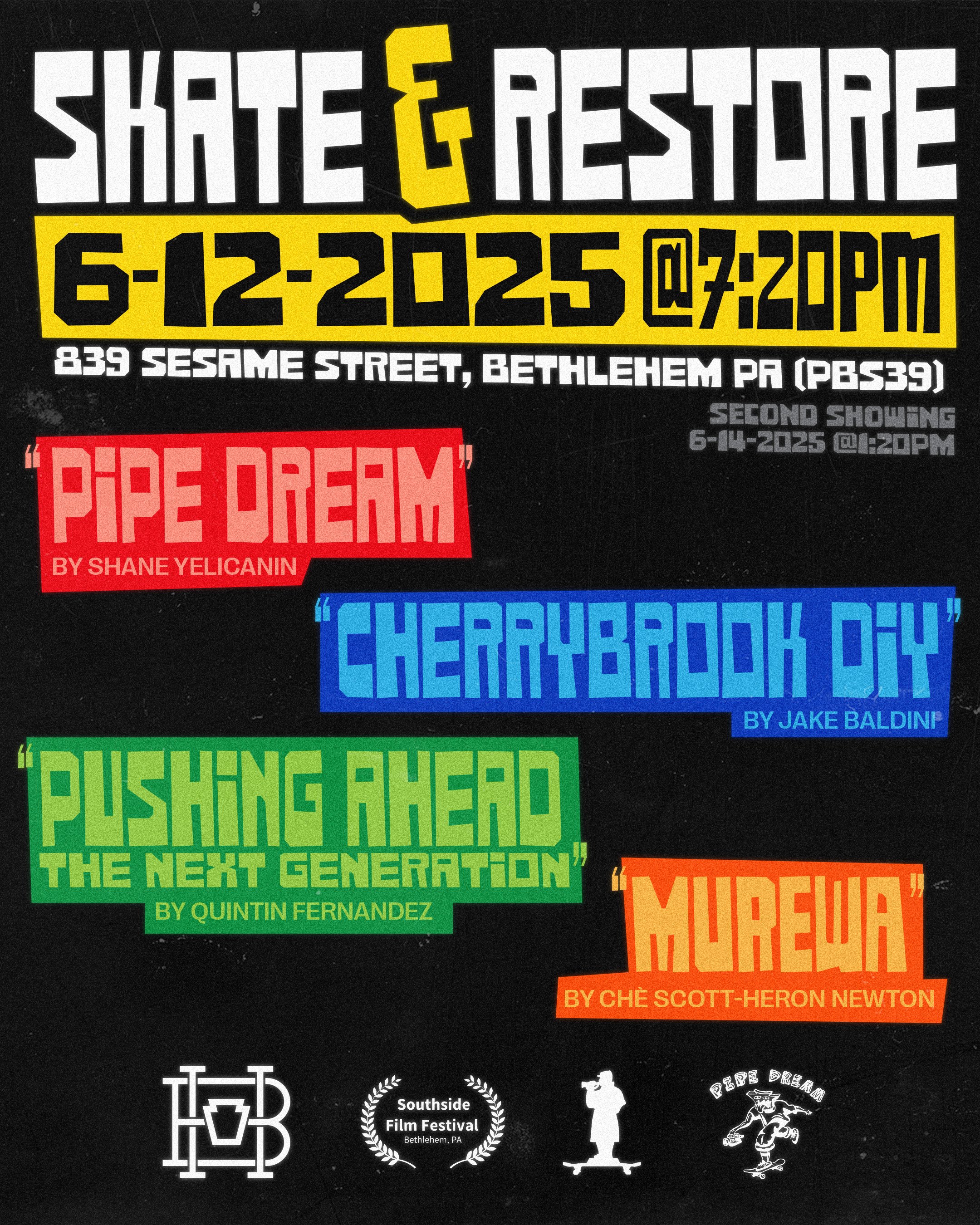
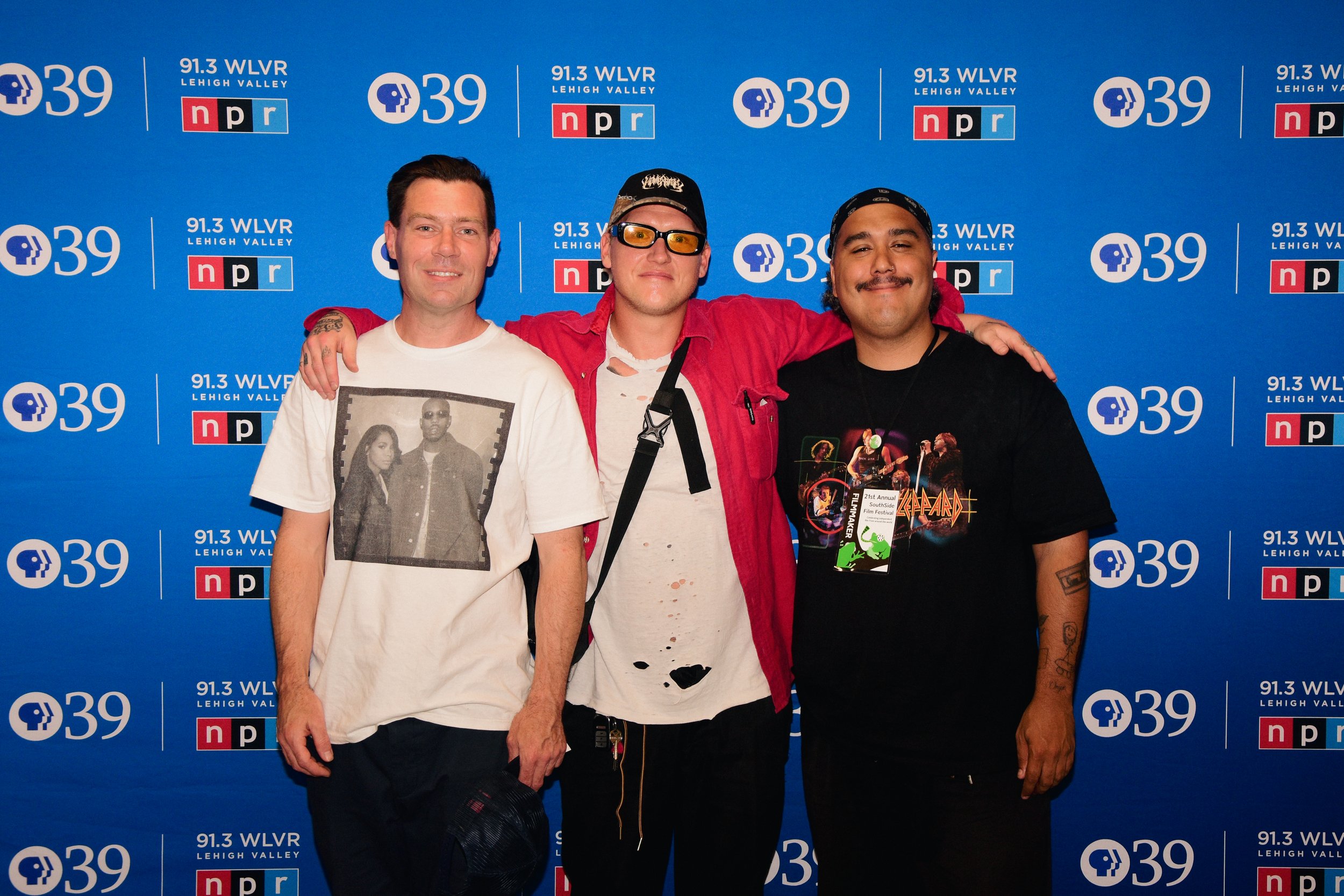
Our screening with Homebase Skate Shop took place at the PBS 39 Studios in Bethlehem as part of the Southside Film Festival. We curated a block of skate related films, titled ‘Skate & Restore,’ a nod to Thrasher Skateboard Magazine’s ‘Skate & Destroy’ tagline.